
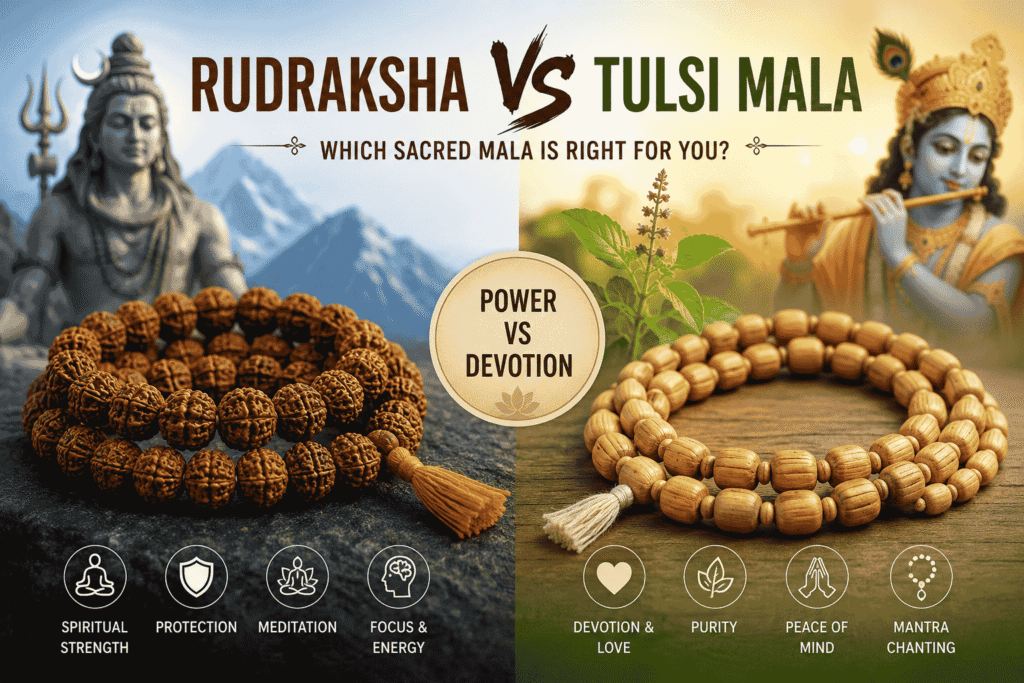
In the spiritual world of Sanatan Dharma, both Rudraksha and Tulsi Mala hold immense importance. Devotees wear them not only as sacred accessories but also as powerful spiritual tools for peace, devotion, protection, and meditation. However, many people often get confused between the two and wonder: Rudraksha vs Tulsi Mala — which one is better?
The answer depends on your spiritual goals, lifestyle, and personal beliefs. While Rudraksha is associated with Lord Shiva and spiritual strength, Tulsi Mala is connected with Lord Vishnu and pure devotion. Both malas carry deep religious significance and unique benefits.
In this detailed guide, we will compare Rudraksha and Tulsi Mala based on their origin, spiritual importance, benefits, wearing rules, energy, and who should wear them.
What is Rudraksha?
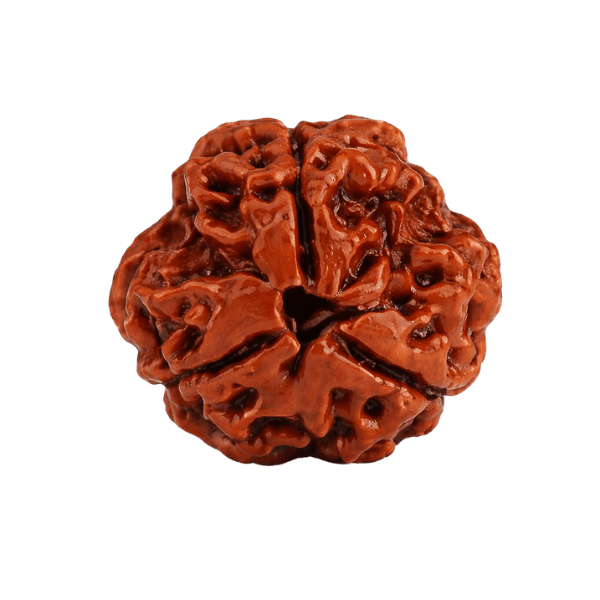
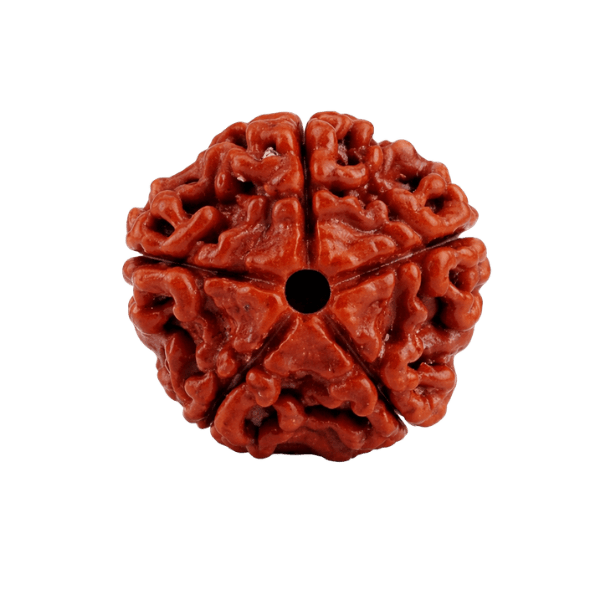
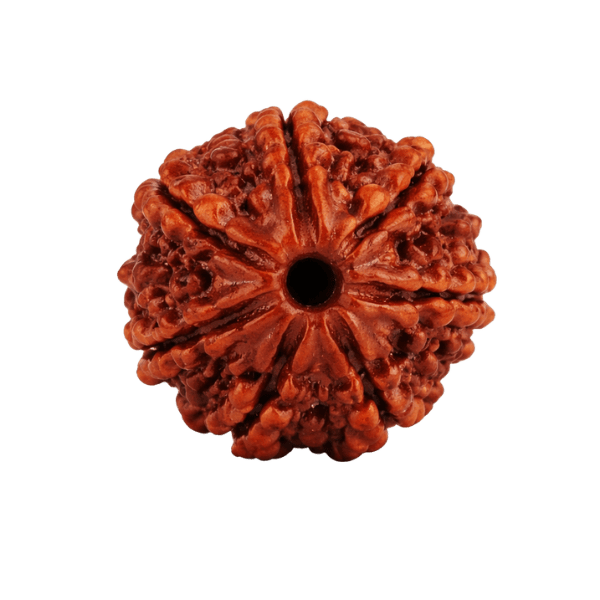
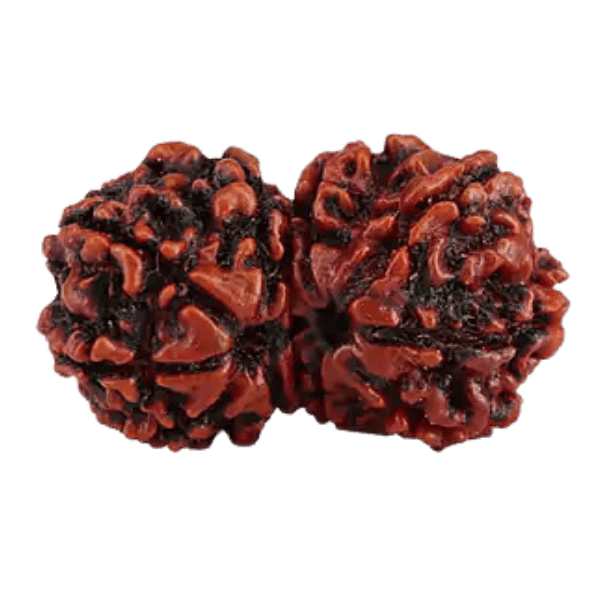
Rudraksha beads are the seeds of the Elaeocarpus ganitrus tree, mainly found in Nepal, Indonesia, and parts of India. According to Hindu scriptures, Rudraksha originated from the tears of Lord Shiva.
The word “Rudraksha” comes from:
- Rudra = Lord Shiva
- Aksha = Tears
Rudraksha beads are considered highly powerful and are believed to carry divine vibrations that help in spiritual awakening, protection, mental peace, and energy balancing.
Different types of Rudraksha beads are available, known as mukhis (faces), such as:
- 1 Mukhi Rudraksha
- 5 Mukhi Rudraksha
- 7 Mukhi Rudraksha
- 14 Mukhi Rudraksha
Each Mukhi has different spiritual and astrological significance.
What is Tulsi Mala?
Tulsi Mala is made from the wood or stem of the holy Tulsi plant, also known as Holy Basil. Tulsi is considered extremely sacred in Hinduism and is deeply associated with Lord Vishnu and Lord Krishna.
Tulsi Mala is widely worn by:
- Vaishnav devotees
- Krishna devotees
- ISKCON followers
- People practicing bhakti yoga
Tulsi is worshipped as a goddess and symbolizes purity, devotion, and spiritual surrender.
The mala is generally used for:
- Chanting mantras
- Bhakti practices
- Spiritual discipline
- Protection from negative energies
Rudraksha vs Tulsi Mala: Major Differences
1. Associated Deity
Rudraksha
Rudraksha is associated with Lord Shiva. It represents strength, protection, meditation, and spiritual power.
Tulsi Mala
Tulsi Mala is associated with Lord Vishnu and Lord Krishna. It symbolizes devotion, purity, and surrender to God.
2. Material
Rudraksha
Made from natural seeds of the Rudraksha tree.
Tulsi Mala
Made from the sacred wood or stem of the Tulsi plant.
3. Spiritual Energy
Rudraksha
Rudraksha carries intense and powerful spiritual vibrations. It is often preferred by:
- Yogis
- Sadhus
- Meditators
- Spiritual seekers
It helps in increasing focus, confidence, inner strength, and protection.
Tulsi Mala
Tulsi Mala carries soft, calming, and devotional energy. It is ideal for:
- Bhakti yoga
- Chanting
- Emotional peace
- Spiritual purity
It promotes devotion and emotional balance.
4. Benefits
Benefits of Rudraksha
- Enhances concentration and meditation
- Protects from negative energies
- Reduces stress and anxiety
- Helps balance chakras
- Improves spiritual growth
- Supports mental clarity
- Believed to reduce planetary doshas
Benefits of Tulsi Mala
- Increases devotion and positivity
- Calms the mind and emotions
- Helps in mantra chanting
- Purifies the aura
- Encourages spiritual discipline
- Provides mental peace
- Creates a divine connection with Lord Vishnu/Krishna
Which is More Powerful: Rudraksha or Tulsi Mala?
This is one of the most searched questions online.
The truth is that both are powerful in different ways.
Rudraksha is powerful for:
- Spiritual protection
- Meditation
- Energy balancing
- Shiva sadhana
- Inner strength
Tulsi Mala is powerful for:
- Devotion
- Bhakti
- Emotional peace
- Krishna consciousness
- Pure spiritual vibrations
So, instead of asking which is stronger, it is better to ask:
Which mala suits your spiritual path better?
Who Should Wear Rudraksha?
Rudraksha is ideal for people who:
- Practice meditation or yoga
- Want protection from negativity
- Seek spiritual growth
- Feel stressed or mentally disturbed
- Want better focus and confidence
- Follow Lord Shiva
Students, business professionals, spiritual seekers, and meditators often wear Rudraksha for mental balance and success.
Who Should Wear Tulsi Mala?
Tulsi Mala is ideal for people who:
- Practice devotion or bhakti
- Chant Vishnu or Krishna mantras
- Want emotional peace
- Seek purity and calmness
- Follow Vaishnav traditions
Tulsi Mala is commonly worn by devotees who regularly chant:
- Hare Krishna Mahamantra
- Vishnu mantras
- Krishna bhajans
Can You Wear Rudraksha and Tulsi Mala Together?
Yes, many spiritual practitioners wear both Rudraksha and Tulsi Mala together. There is no strict prohibition in most traditions.
However, it depends on:
- Your spiritual belief
- Your guru’s guidance
- Personal comfort
Some people wear:
- Rudraksha for protection and energy
- Tulsi Mala for devotion and peace
Together, they can create a balance of strength and devotion.
Rudraksha vs Tulsi Mala for Meditation
Rudraksha for Meditation
Rudraksha is considered more suitable for deep meditation because it helps:
- Improve concentration
- Stabilize the mind
- Increase spiritual awareness
- Reduce distractions
Many yogis prefer Rudraksha during meditation practices.
Tulsi Mala for Meditation
Tulsi Mala is more effective for:
- Mantra chanting
- Devotional meditation
- Bhakti practices
- Heart-centered spirituality
It creates a calm and devotional atmosphere.
Rudraksha vs Tulsi Mala for Health Benefits
While both malas are primarily spiritual tools, many people believe they also provide health benefits.
Rudraksha Health Benefits
People believe Rudraksha may help:
- Control stress
- Reduce blood pressure
- Calm the nervous system
- Improve emotional stability
Tulsi Mala Health Benefits
Tulsi is known in Ayurveda for its healing properties. Tulsi Mala is believed to:
- Promote calmness
- Reduce anxiety
- Increase positive vibrations
- Support mental peace
However, these beliefs are spiritual and traditional in nature and should not replace medical treatment.
Wearing Rules for Rudraksha
If you plan to wear Rudraksha, follow these common guidelines:
- Wear after proper purification
- Chant “Om Namah Shivaya” before wearing
- Keep it clean and energized
- Avoid wearing during negative activities
- Respect the sacredness of the bead
Many people prefer wearing Rudraksha on Monday, which is dedicated to Lord Shiva.
Wearing Rules for Tulsi Mala
Common Tulsi Mala rules include:
- Wear with purity and devotion
- Avoid consuming non-vegetarian food while wearing
- Remove before entering impure places (depending on tradition)
- Chant Vishnu or Krishna mantras regularly
Tulsi Mala is generally worn after prayers dedicated to Lord Vishnu or Krishna.
Which Mala is Better for Beginners?
For beginners, the choice depends on their spiritual interest.
Choose Rudraksha if you want:
- Mental focus
- Meditation support
- Spiritual protection
- Strong energy
Choose Tulsi Mala if you want:
- Devotion and bhakti
- Emotional calmness
- Daily mantra chanting
- Peaceful spiritual practices
If you are unsure, starting with a simple 5 Mukhi Rudraksha or a traditional Tulsi Kanthi Mala can be a good option.
Difference Between Rudraksha and Tulsi Mala in Astrology
In Vedic astrology:
- Rudraksha is often linked with planetary balancing and protection.
- Tulsi Mala is more connected with sattvic energy and spiritual purity.
Astrologers may recommend Rudraksha for specific planetary issues or emotional imbalance.
Tulsi Mala, on the other hand, is often advised for spiritual calmness and devotional practices.
How to Choose Between Rudraksha and Tulsi Mala
Here are a few simple questions to help you decide:
| Your Goal | Best Choice |
|---|---|
| Meditation | Rudraksha |
| Bhakti & Devotion | Tulsi Mala |
| Protection from negativity | Rudraksha |
| Emotional peace | Tulsi Mala |
| Shiva worship | Rudraksha |
| Krishna devotion | Tulsi Mala |
| Chakra balancing | Rudraksha |
| Mantra chanting | Tulsi Mala |
Common Myths About Rudraksha and Tulsi Mala
Myth 1: Women cannot wear Rudraksha
This is false. Women can wear Rudraksha according to many spiritual traditions.
Myth 2: Tulsi Mala is only for monks
Not true. Anyone devoted to Lord Vishnu or Krishna can wear Tulsi Mala.
Myth 3: Rudraksha is dangerous if worn incorrectly
Rudraksha is sacred and beneficial when worn respectfully. Fear-based myths are often exaggerated.
Final Thoughts
The debate around Rudraksha vs Tulsi Mala does not have a single winner because both malas serve different spiritual purposes.
- Rudraksha represents power, meditation, protection, and inner awakening.
- Tulsi Mala represents devotion, purity, surrender, and emotional peace.
Choosing between them depends entirely on your spiritual journey and personal connection with divine energy.
If you seek strength, focus, and Shiva consciousness, Rudraksha may be ideal for you.
If you seek devotion, calmness, and Krishna consciousness, Tulsi Mala can be the perfect companion.
Many devotees even wear both to maintain a balance between spiritual power and devotional love.
Ultimately, faith, discipline, and sincere intention matter more than the mala itself.
FAQs on Rudraksha vs Tulsi Mala
Can I wear Rudraksha and Tulsi Mala together?
Yes, many devotees wear both together for balanced spiritual benefits.
Which is better for peace of mind?
Tulsi Mala is generally considered better for emotional peace and calmness.
Which mala is best for meditation?
Rudraksha is usually preferred for deep meditation and concentration.
Is Tulsi Mala powerful?
Yes, Tulsi Mala is highly sacred and spiritually powerful in Vaishnav traditions.
Can beginners wear Rudraksha?
Absolutely. A 5 Mukhi Rudraksha is commonly recommended for beginners.
Which mala is associated with Lord Shiva?
Rudraksha is associated with Lord Shiva.
Which mala is associated with Lord Krishna?
Tulsi Mala is associated with Lord Krishna and Lord Vishnu.